
How to Choose a Thermal Scope: A Buyer’s Guide
2026-08-04
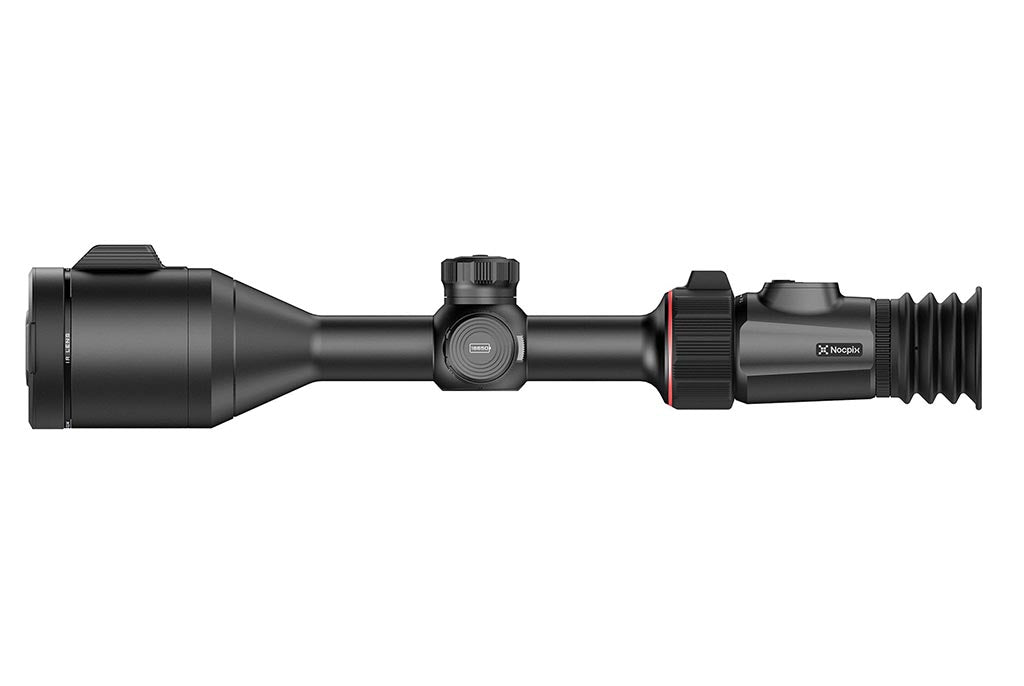
Choosing a thermal riflescope comes down to a handful of specifications. Once you understand these five numbers, the decision becomes far simpler.
1. Sensor resolution (microbolometer)
Common resolutions are 384×288, 640×512 and 1280×1024. Higher resolution means a clearer image and a longer detection range, but a higher price. Most foxing and vermin control work is well served by 640×512.
2. Thermal sensitivity (NETD / mK)
Lower mK is better — it means the sensor can detect smaller temperature differences. Look for sub-25mK, and ideally sub-20mK for fast-moving quarry.
3. Objective lens & base magnification
The objective lens size (e.g. 35mm, 50mm) controls light gathering and detection range. Base magnification of 1× or 1.6× suits scanning; higher base magnification suits dedicated shooting.
4. Laser rangefinder (LRF)
An integrated LRF measures distance and displays it in the image — a major help for long-range shooting and stalking. Not every shoot needs it, but many modern scopes now offer it.
5. Battery life & mounting
Check battery endurance (thermal scopes typically run 4–10 hours) and confirm the scope mounts cleanly on your rifle.
Ready to compare? Browse thermal riflescopes or get advice from our team.
Recent Articles
View all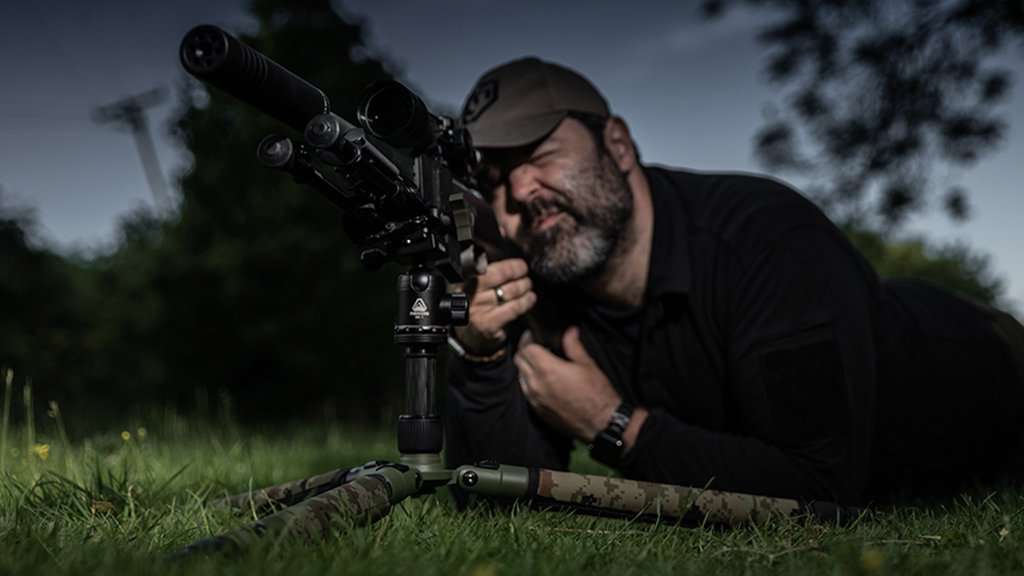
2026-08-06
Rifle Tripod vs Shooting Sticks – Which Rifle Support System is Right for You?
2026-07-23
WICKED REKON PRECISION CARBON SHOOTING TRIPOD - USE PRONE, SEATED OR STANDING
2026-07-23
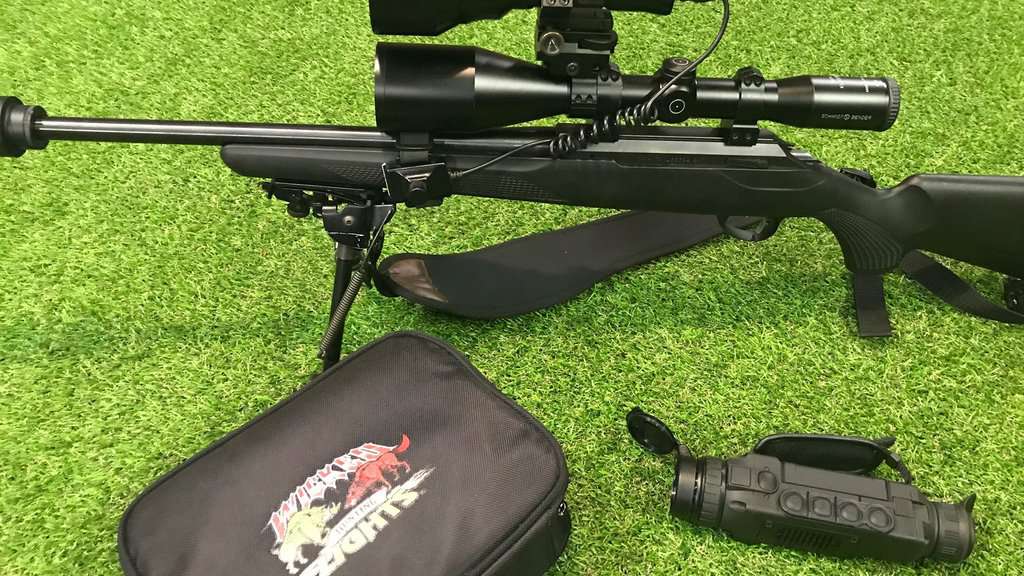
WICKED HUNTING LIGHTS - NOT JUST "ANOTHER TORCH"
2026-07-23