
Thermal vs Night Vision: Which Is Right for You?
2026-08-04
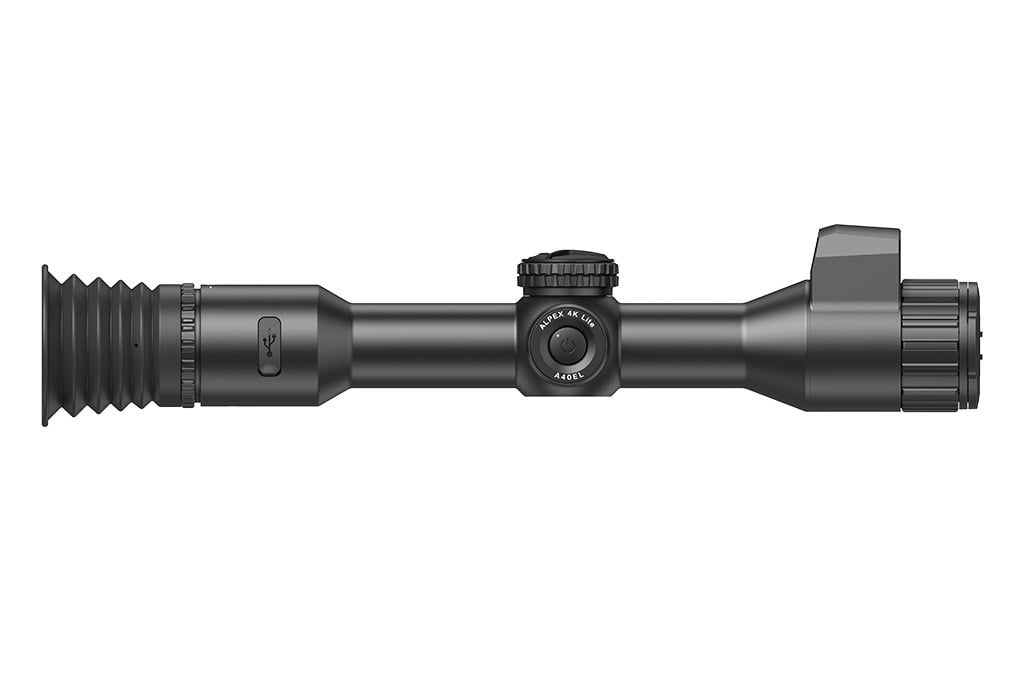
Thermal and night vision are often talked about as rivals, but they actually solve different problems. Choosing the right one — or the right combination — comes down to what you are doing in the dark.
How thermal works
Thermal sensors detect heat. They work in total darkness, through smoke, fog and light foliage, and they do not need any ambient light. You see living targets as bright heat signatures. Great for foxing, vermin control and search work.
How night vision works
Digital night vision amplifies available light (or uses an IR illuminator). It produces a recognisable, often more detailed image in moonlight or with an IR torch, and modern 4K digital day/night scopes double as daytime optics. Ideal for lamping-free, image-rich observation.
Quick comparison
- Total darkness, no extra kit: thermal wins.
- Detail and target identification: digital night vision often shows more definition.
- Day & night dual use: digital day/night scopes are extremely versatile.
- Fog / smoke / grass: thermal sees through what obscures visual light.
Many shooters own both
The most capable setups combine a thermal spotter to find the target and a night vision or thermal scope on the rifle. Explore thermal imaging, night vision and speak to our specialists about a matched pair.
Recent Articles
View all
2026-08-06
Rifle Tripod vs Shooting Sticks – Which Rifle Support System is Right for You?
2026-07-23
WICKED REKON PRECISION CARBON SHOOTING TRIPOD - USE PRONE, SEATED OR STANDING
2026-07-23
WICKED HUNTING LIGHTS - NOT JUST "ANOTHER TORCH"
2026-07-23